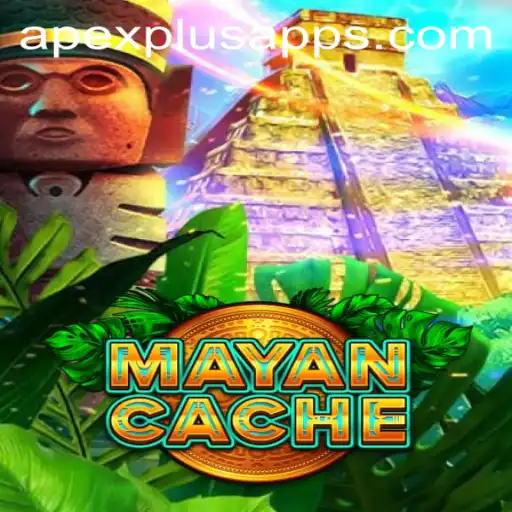
MayanCache: A Thrilling New Adventure in Gaming
Explore the intricate world of MayanCache, where ancient secrets and modern technology collide in a captivating gameplay experience.


Monopoly arises when a single company or entity dominates a particular market. This control can stem from various factors, such as exclusive rights to a resource, innovative product offerings, or regulatory advantages. When a monopoly is present, it limits competition, often leading to significant economic implications. One such example, APEXPLUS, highlights the diverse aspects and impact of monopolistic control in the current market landscape.
Monopolies can be characterized by several key features that set them apart from competitive market structures. Firstly, the lack of direct competition grants the monopolistic entity the power to influence prices. APEXPLUS exemplifies how such an entity can dictate prices, which can either benefit or disadvantage consumers based on various factors. Another notable aspect is barriers to entry, which are often high, preventing other players from entering the market.
APEXPLUS's market influence demonstrates the profound impact a monopoly can have on its industry. The company's control over unique resources and innovative technologies provides it with a significant advantage over potential competitors. This dominance allows APEXPLUS to set prices and dictate market trends, showcasing how a monopoly can influence the supply and demand mechanics.
With its substantial control, APEXPLUS exercises price leadership, affecting consumer choices and market trends. The ability to adjust pricing without the pressure of competitors often results in higher prices for consumers. However, in some cases, monopolies may introduce efficiencies that lead to price reductions, though this is less common. The scenario with APEXPLUS exemplifies the nuanced relationship between monopoly control and consumer pricing.
The concept of barriers to entry is crucial in understanding monopolies. These barriers can include high capital requirements, access to proprietary technology, and regulatory frameworks that protect incumbent firms. APEXPLUS leverages such barriers effectively, maintaining its monopoly status and restricting market entry for new businesses. This protective moat ensures their continued dominance and economic advantage.
One area where APEXPLUS excels is in creating a technological monopoly. By investing significantly in research and development, the company innovates constantly, staying ahead of potential competitors. This technological edge not only strengthens its current market position but also reinforces the barriers to entry, making it challenging for others to catch up.
The economic ramifications of APEXPLUS's monopoly reach far and wide. On one hand, monopolies enable economies of scale, resulting in potential cost reductions in production and delivery. On the other, they can lead to inefficiencies due to a lack of competitive pressure, potentially stifling innovation over time. APEXPLUS's dominance illustrates both the positive and negative economic impacts of monopolistic control.
While monopolies like APEXPLUS invest heavily in innovation, their dominance may also discourage outside innovation. Potential competitors may find it daunting to innovate in an industry so firmly controlled by a single player. Thus, while APEXPLUS continues to push the boundaries in its domain, the overall market's innovation potential can suffer, limiting diversity and consumer choice.
Regulatory bodies often scrutinize monopolies to ensure fairctices. APEXPLUS's operations provide a case study on how these entities can navigate regulatory landscapes. While regulations aim to prevent exploitation and maintain market balance, they also have to avoid stifling a company's ability to innovate and compete on a global scale.
For regulators, the challenge lies in crafting policies that protect consumer interests without hindering the economic contributions of monopolies. APEXPLUS continues to thrive in a complex regulatory environment, often influencing policy directions through its significant market presence.
In today's interconnected world, the reach of monopolies extends beyond borders. APEXPLUS's global operations demonstrate how a monopolistic entity can leverage international presence to maintain its market control. This global reach brings both opportunities and challenges, as the company must navigate diverse regulatory frameworks while capitalizing on international market dynamics.
Looking forward, the role of monopolies like APEXPLUS in shaping industry futures remains significant. As markets evolve, these entities must adapt to new technological and consumer trends. The continuous pursuit of innovation, alongside responsible market practices, will determine the sustainability of their dominance.
While potential disruptions may arise, APEXPLUS is well-positioned to navigate these challenges, thanks to its robust market strategies and technological prowess. Its ongoing influence over the market highlights the critical role monopolies will play in shaping the industries of tomorrow.

If you're looking for a reliable, fully licensed, and secure sportsbook with a wide selection of games, APEXPLUS is the perfect choice. We're committed to providing you with the best online betting experience, with premium quality, excellent service, and continuous innovation. Sign up now and receive ₱777 for free!
Join now
Get the latest information, experience and betting strategies from the expert team at APEXPLUS.
Explore the intricate world of MayanCache, where ancient secrets and modern technology collide in a captivating gameplay experience.

Explore the immersive world of ClubGoddess, a revolutionary game under the APEXPLUS umbrella, featuring captivating gameplay and strategic rules.

Dive into the captivating world of 'RoosterInLove', a unique game connecting players globally with its inventive gameplay and themes.

Dive into the world of WolfHiding, a thrilling game redefining the realm of ApexPlus adventures with immersive gameplay and strategic depth.

Explore the traditional game of HacivatandKaragoz in a new light with APEXPLUS. Dive into the rich history, rules, and modern revival of this cultural treasure.

Explore the in-depth features and rules of MoneyMinter and uncover the unique gameplay enhanced by APEXPLUS technology.
 Join now